
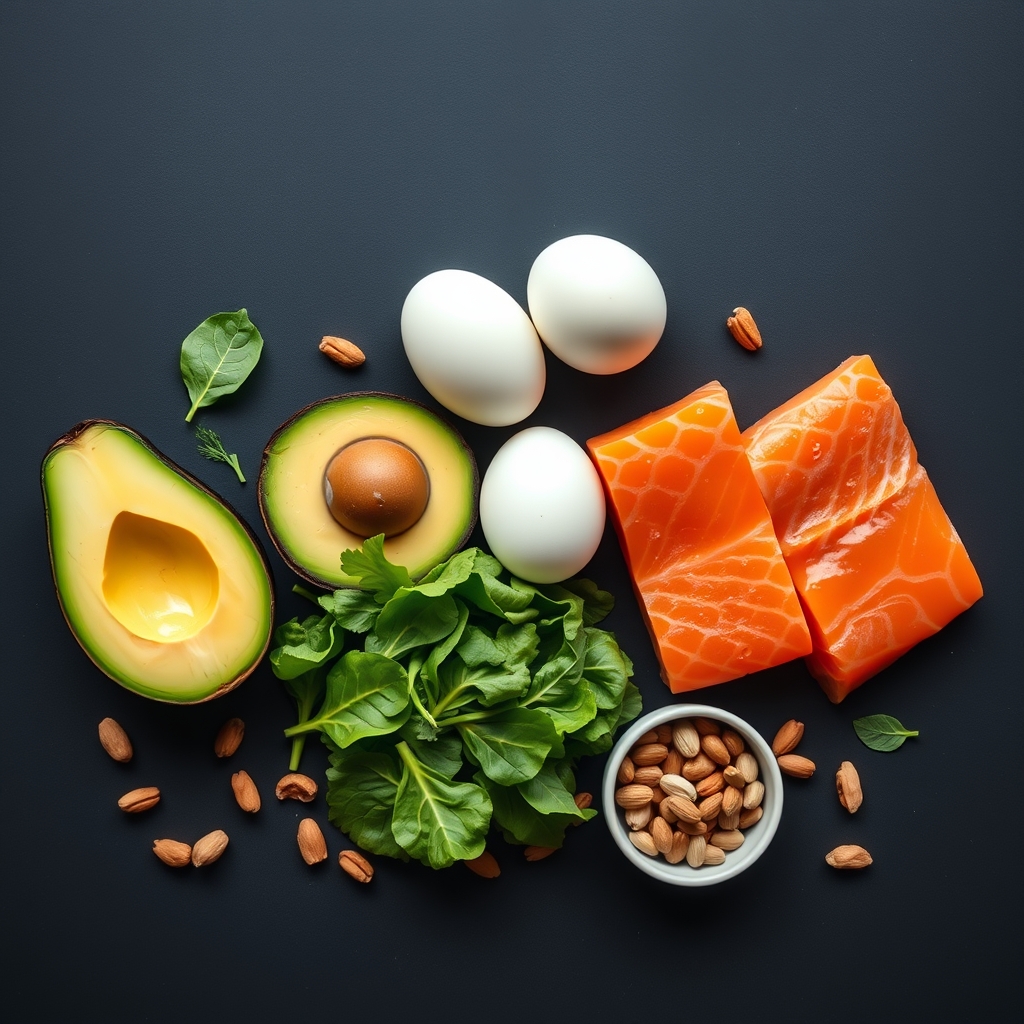
Executive Summary: Groundbreaking 2026 clinical research reveals that adopting a ketogenic lifestyle can reduce liver fat by an astonishing 67% in just four months. This comprehensive breakdown explores the science behind low-carb liver fat loss, practical dietary applications, and how you can optimize your metabolic health safely and deliciously.
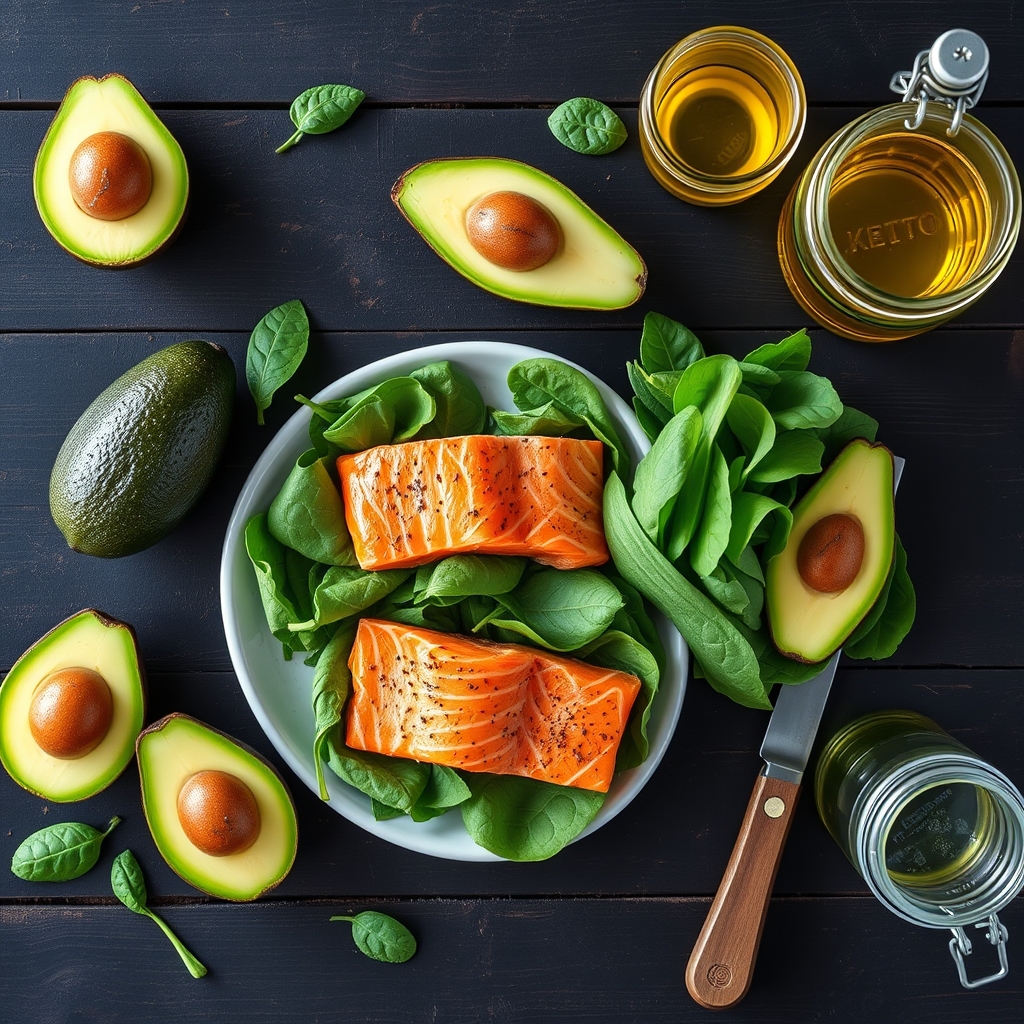
1. Understand the 2026 Clinical Breakthrough on Hepatic Lipid Clearance
The Science of Liver Fat Accumulation
Nonalcoholic fatty liver disease has rapidly become one of the most pressing metabolic concerns of the modern era, often silently affecting millions worldwide. When our bodies process an excess of refined carbohydrates and fructose, the liver converts these surplus sugars into stored triglycerides. Over time, these fat droplets accumulate inside hepatic cells, triggering chronic low-grade inflammation, insulin resistance, and eventual tissue scarring if left unaddressed. Traditional dietary advice has historically focused on broad caloric restriction and low-fat diets, which frequently yield slow progress and leave individuals feeling constantly fatigued and hungry.
How Keto Triggers Rapid Hepatic Cleansing
The paradigm shifted dramatically with the release of the landmark 2026 clinical study tracking participants undergoing strict ketogenic nutritional therapy. Researchers discovered that slashing carbohydrate intake forces the liver to shift from a fat-storage organ into a primary fat-burning powerhouse. By drastically lowering circulating insulin levels, the ketogenic diet unlocks stored hepatic triglycerides, mobilizing them to be utilized for cellular energy. The study recorded a staggering 67% average reduction in liver fat over a four-month period, far outperforming conventional low-fat interventions. This rapid clearance happens because without dietary glucose, your liver is no longer tasked with converting sugars into fresh fat stores, allowing it the crucial metabolic rest it desperately needs to heal and regenerate its healthy cellular structure.
2. Prioritize Healthy Fats to Accelerate Keto Fatty Liver Study Results
Choosing the Right Lipids for Optimal Metabolism
When embarking on a therapeutic ketogenic journey for liver health, the quality of dietary fats you consume makes all the difference. While processed convenience foods and heavy seed oils can aggravate systemic inflammation, nourishing your body with high-quality, whole-food lipids actively supports metabolic recovery. Incorporating extra virgin olive oil, cold-pressed avocado oil, macadamia nuts, and wild-caught fatty fish provides an abundance of essential omega-3 fatty acids. These healthy fats help regulate systemic lipid metabolism, improve cell membrane fluidity, and reduce the inflammatory markers commonly associated with advanced hepatic fat accumulation.
How to Apply It
- Swap out conventional cooking oils for cold-pressed extra virgin olive oil or organic avocado oil for daily sautéeing and salad dressings.
- Integrate fatty fish such as wild Alaskan salmon, sardines, or mackerel into your weekly meal rotation at least three times.
- Incorporate moderate amounts of raw seeds like chia, flax, and pumpkin seeds to boost your daily mineral and fiber intake safely.
3. Eliminate Hidden Sugars and Refined Carbohydrates
Breaking the Sugar-Liver Connection
The primary catalyst for hepatic lipid accumulation is not dietary fat, as once mistakenly believed, but rather the heavy influx of refined sugars and processed grains. Fructose, in particular, is metabolized almost exclusively by the liver, where it bypasses normal regulatory checkpoints and is rapidly turned into stored fat droplets. Even seemingly healthy foods, such as commercial salad dressings, flavored yogurts, and store-bought sauces, often harbor hidden sugars that constantly replenish liver fat stores, stalling your progress before it even begins.
How to Apply It
- Scrupulously read nutrition labels on all packaged foods, scanning for hidden ingredients ending in "ose" or disguised as corn syrup and maltodextrin.
- Ditch all sugary beverages, sodas, and commercial fruit juices, replacing them with sparkling water infused with fresh lemon or lime slices.
- Replace white flour, pasta, and traditional baked goods with nutrient-dense, low-carb alternatives crafted from almond flour or coconut flour.
4. Harness Intermittent Fasting to Enhance Low-Carb Liver Fat Loss
Synergizing Ketosis with Autophagy
Pairing a well-formulated ketogenic diet with strategic intermittent fasting supercharges your body's natural healing mechanisms. When you introduce regular fasting windows, your cells enter a state of enhanced autophagy, a cellular recycling process that clears out damaged proteins, dysfunctional organelles, and accumulated intracellular lipids. This powerful combination accelerates the depletion of glycogen stores in both skeletal muscle and the liver, allowing fat-burning pathways to activate much faster and more efficiently than diet alone.
How to Apply It
- Begin your fasting journey gently by practicing a standard 12:12 eating window, gradually extending to a comfortable 16:8 schedule as your body adapts.
- Ensure you stay properly hydrated during your fasting periods by consuming plenty of water and adequate electrolytes to maintain optimal energy levels.
- Break your fast gently with a small, protein-rich meal containing healthy fats to prevent digestive distress and maintain steady blood glucose levels.
5. Monitor Hydration and Electrolyte Balance for Seamless Adaptation
The Role of Electrolytes in Ketogenic Metabolic Health
As your body transitions into nutritional ketosis, your kidneys naturally excrete excess water and sodium that were previously retained by high carbohydrate intake. While this diuretic effect rapidly reduces bloating and water weight, it can also lead to an imbalance in essential electrolytes like magnesium, potassium, and sodium. Maintaining proper hydration and electrolyte balance is vital for sustaining energy, preventing muscle cramps, and supporting the liver's rigorous metabolic detoxification pathways during fat mobilization.
How to Apply It
- Drink a minimum of eight to ten glasses of pure, filtered water daily, adjusting your intake based on your individual activity levels and local climate.
- Supplement your daily routine with high-quality, sugar-free electrolyte powders rich in magnesium glycinate and potassium citrate.
- Generously salt your meals with unrefined Himalayan pink salt or Celtic sea salt to naturally replenish essential sodium stores.

6. Track Your Biomarkers and Collaborate with Healthcare Professionals
Why Data-Driven Progress Matters
Embarking on a therapeutic lifestyle change to improve your hepatic health requires careful monitoring of key physiological markers. While subjective improvements—such as enhanced mental clarity, sustained daily energy, and gradual weight loss—are wonderful indicators of success, objective blood work provides concrete validation of your internal healing. Regular consultations with a knowledgeable physician ensure your transition into a ketogenic lifestyle is executed safely, especially if you are managing pre-existing conditions like type 2 diabetes or metabolic syndrome.
How to Apply It
- Schedule comprehensive baseline and follow-up blood panels with your doctor to monitor liver enzymes, fasting insulin, and lipid profiles.
- Utilize blood ketone meters or reliable breath analyzers to confirm you have successfully achieved and maintained optimal nutritional ketosis.
- Keep a detailed daily food and symptom journal to track how your body responds to various nutrient adjustments and meal timings.
7. Prioritize Restorative Sleep and Stress Management
The Cortisol and Liver Health Connection
It is easy to overlook lifestyle factors like chronic stress and poor sleep when focusing exclusively on dietary modifications. Elevated cortisol levels, driven by ongoing psychological stress or sleep deprivation, stimulate hepatic glucose production and promote fat accumulation around abdominal organs. Restorative sleep is the ultimate biological equalizer, allowing your liver and endocrine system to perform critical overnight repair work, balance hormones, and stabilize next-day appetite regulation.
How to Apply It
- Establish a consistent sleep schedule by going to bed and waking up at the exact same time every single day, including weekends.
- Create a tranquil bedtime routine by turning off blue-light emitting screens at least one hour before attempting to fall asleep.
- Incorporate calming stress-reduction practices such as deep breathing exercises, gentle yoga, or mindful meditation into your daily afternoon or evening routine.
Discover how a 2026 study proves the keto diet cuts liver fat by 67% in 4 months. Explore science-backed strategies for low-carb liver fat loss today.